
Rail on the Rise: A Global Recovery Story
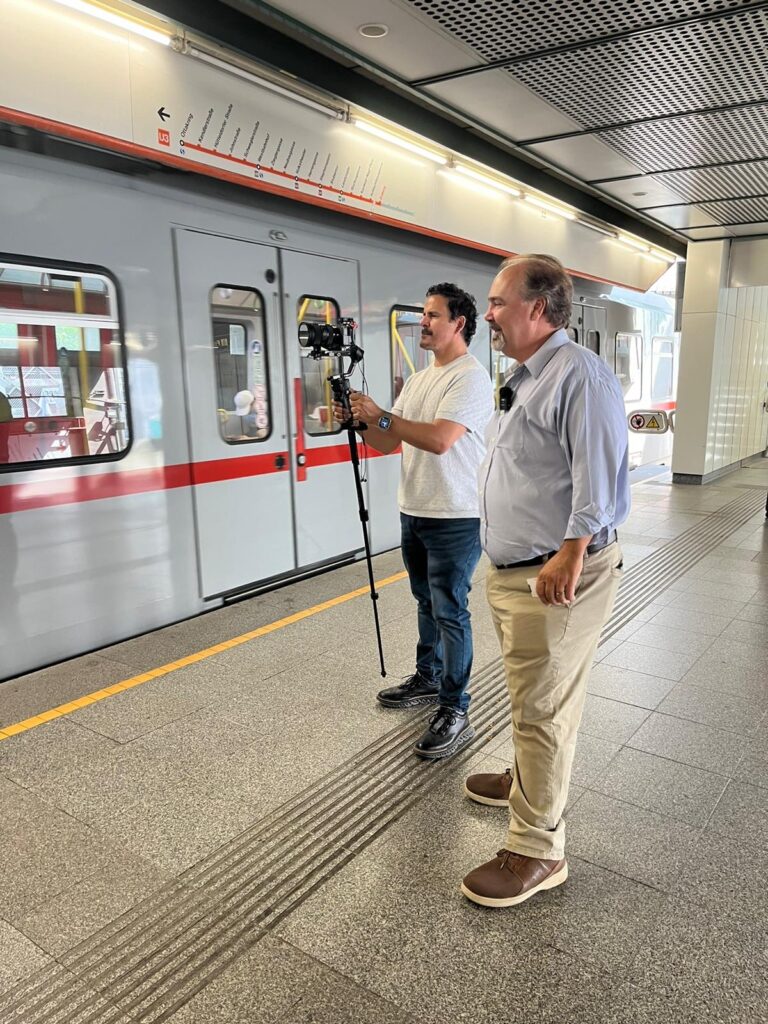
My recent European trip revealed a booming rail scene. From Austria’s comfortable OBB Nightjet sleeper trains to Vienna’s bustling and expanding metro and trams, ridership is flourishing across Europe. This trend is echoed in a Washington Post article highlighting the resurgence of sleeper trains in Europe, with companies launching new routes, expanding services, and modernizing cabins.


North America Joins the Movement
Here in North America, new passenger rail projects are all the rage. Honolulu’s futuristic elevated rail system, Brightline’s extension to Orlando, and groundbreaking for a Las Vegas to Los Angeles route are just a few examples. This year promises even more progress, with ribbon-cutting ceremonies for new lines and crucial maintenance projects to improve track, signaling, and speed across the country. Cities like New York, Boston, and Amtrak are all investing in a smoother ride for passengers.
Numbers Tell the Story
The American Public Transportation Association (APTA) reports more positive news. Rail trips now accounts for 46% of all transit trips in 2023, with all modes experiencing a 15% ridership increase over the past year. Amtrak even surpassed pre-pandemic ridership levels a year ago!
Regional Rail Success Stories
Passengers are clearly embracing regional rail options. The South Florida Regional Transportation Authority (SFRTA) reports Tri-Rail commuter rail achieving a full weekday ridership recovery in February and March 2024, with weekend ridership surpassing previous highs. To meet this demand, SFRTA has launched a new express service between West Palm Beach and Downtown Miami, along with extended service to Miami Central Station and a late-night train departing from Miami Airport Station.
“Not only are we back at 100%, but there is room for more onboard,” said David Dech, SFRTA Executive Director. “It is key for commuter railroads to provide a premium level of service that combines a pleasant traveling experience for people while getting them to the places they need to get to.”
In the U.S. Midwest, the Northern Indiana Commuter Transportation District (NICTD), operator of the South Shore Line commuter rail service, celebrated a ribbon cutting ceremony for the completion of its $650M Double Track project at the Miller train station in Gary, Indiana. The following day, the old weekday schedule of 39 trains per day was replaced with a new service offering that included 14 additional trains. Most of the additional service was added to the off-peak and evening schedule, closing large gaps in service that allowed the South Shore Line to perform more like a regional rail provider than a traditional peak period, rush hour focused commuter rail system.
The Double Track project include significantly reduces travel time to and from Chicago, by as much as 30 minutes each way at some stations, substantially more service, and anticipated improved on-time performance. Since the opening of the new service, evening and weekend service have seen large increases. In fact, weekend ridership has exceeded pre-pandemic levels and continues to grow.
Challenges and Progress
A recent Bloomberg article noted, however, there have been some challenges to this rail resurgence. Despite the aspirations of advocates who dream of creating a Delaware-to-Richmond commuter ecosystem, the Washington, DC region has struggled to establish regional service connecting existing commuter rail systems in Delaware, Maryland, and Virginia. When I served as CEO of the MTA in Baltimore, we worked with SEPTA to close the 20-mile gap between our commuter rail services in northern Maryland, but couldn’t get it past the finance and bureaucratic hurdles. But there has been recent signs of progress when last year, the Maryland Department of Transportation signed an agreement with its counterparts to the north and south to plan service expansions across state lines.
Global Expansion
The positive trend of expanding rail service extends beyond North America and Europe. In Singapore, this year the ridership on its metro system has recovered to 98% of pre-pandemic levels. Singapore is pushing ahead with its ambitious goal of having 8 in 10 households being within a ten-minutes walk from a metro station by 2030. Just recently in June 2024, Stage 4 on the Thomson-East Coast Line (TEL4) added 11km and seven stations to the Metro network. TEL4 provides residents along the East Coast area with alternative travel options, and commuters can expect travel time savings of up to 50% when using TEL4. With the addition of TEL4 Stage 4, the Singapore Metro network now spans 267km.
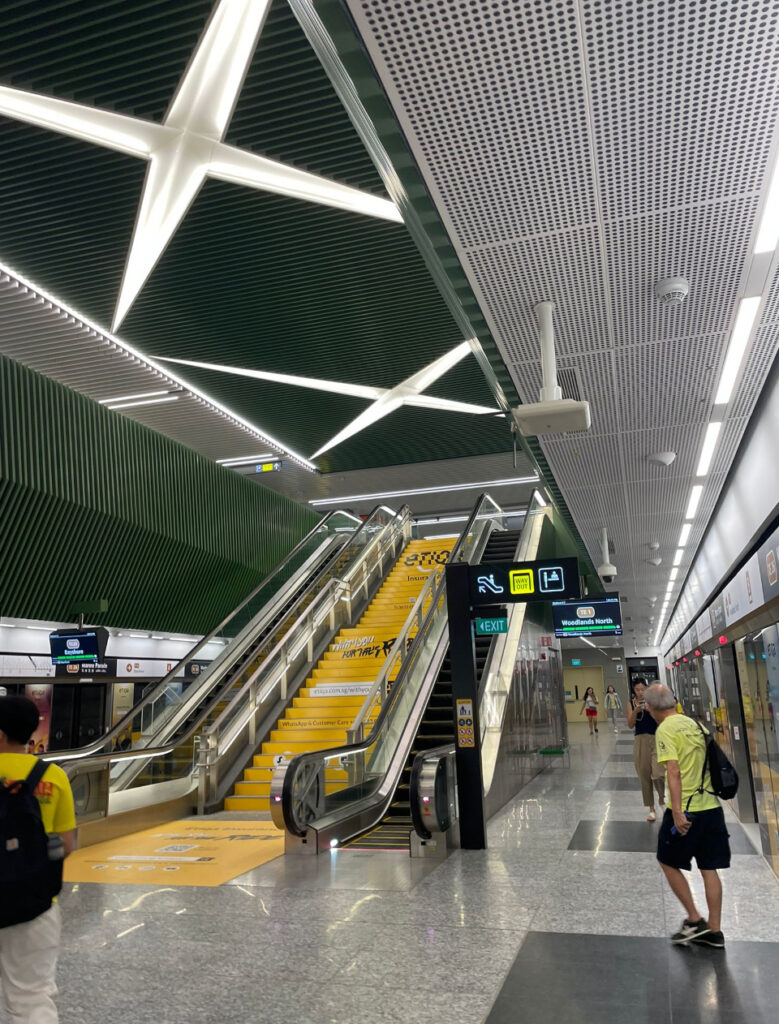
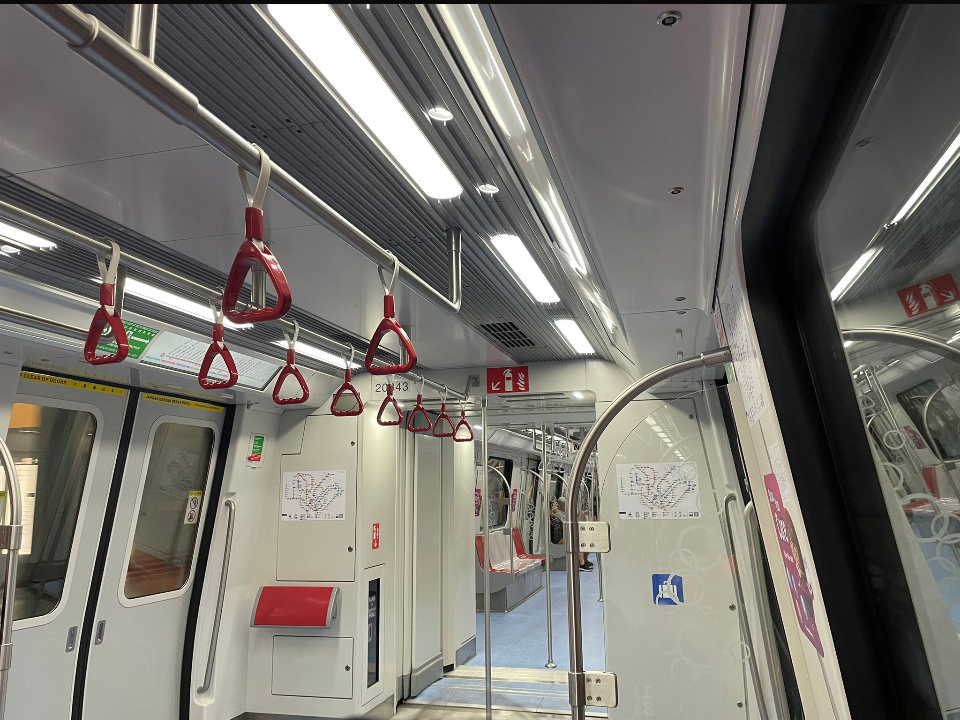
Jeremy Yap (Deputy Chief Executive, Public Transport, Policy and Planning of Singapore’s Land Transport Authority) said that Singapore will continue to expand its Metro network, with the upcoming Jurong Region Line and Cross Island Line. By 2030, Singapore will have a rail network of about 360km. This more than doubles the rail network since 2008, when the rail expansion plan was announced in Singapore Land Transport Masterplan.
London’s Elizabeth Line: A Shining Example
London’s 2022 debut of the Elizabeth Line, spanning the entire city, quickly attracted over half a million daily riders and boosted UK’s overall rail ridership above pre-pandemic levels. In its first year it carried 150 million passengers and that increased to 210 million in 2023/24.
Conclusion: A Bright Future for Rail
Passenger rail is experiencing a global comeback, fueled by a desire for convenient intercity and overnight travel options, increased frequency within cities, and a focus on improved customer experiences. The future looks bright for trains, with ridership figures climbing and ambitious expansion projects underway around the world.